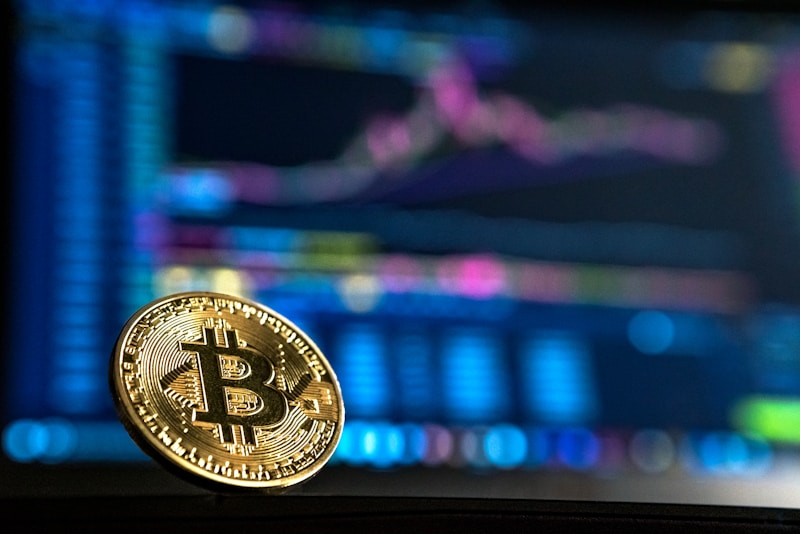
Bitcoin has revolutionized the way we think about money since its creation in 2009. As the first decentralized cryptocurrency, Bitcoin introduced the world to blockchain technology and opened the door to a new era of digital finance. This comprehensive guide will walk you through everything you need to understand about Bitcoin, from its fundamental concepts to practical applications.
What is Bitcoin?
Bitcoin is a digital currency that operates without a central authority or banks. It was created by an anonymous person or group using the pseudonym Satoshi Nakamoto. Unlike traditional currencies issued by governments, Bitcoin is decentralized, meaning no single institution controls it. Transactions are verified by network nodes through cryptography and recorded on a public distributed ledger called a blockchain.
The concept behind Bitcoin emerged from the need for a peer-to-peer electronic cash system. Traditional banking systems require intermediaries to process transactions, which adds costs and delays. Bitcoin eliminates these intermediaries, allowing users to send and receive payments directly, anywhere in the world, at any time.
How Does Bitcoin Work?
At its core, Bitcoin operates on blockchain technology. The blockchain is essentially a chain of blocks, where each block contains a list of transactions. Once a block is filled with transactions, it is added to the chain in a way that is permanent and unalterable. This creates a complete, transparent history of all Bitcoin transactions.
Mining is the process by which new bitcoins are created and transactions are verified. Miners use powerful computers to solve complex mathematical problems. When they successfully solve these problems, they add a new block to the blockchain and receive newly minted bitcoins as a reward. This process ensures the security and integrity of the network.
The Bitcoin network uses a consensus mechanism called Proof of Work. This means that to add a new block, miners must demonstrate that they have expended computational effort. This makes it extremely difficult and expensive for anyone to manipulate the blockchain, as they would need to control more than 50% of the network's computing power.
Why Bitcoin Matters
Bitcoin represents a fundamental shift in how we think about money and financial systems. It offers several advantages over traditional banking: lower transaction fees, faster international transfers, protection against identity theft, and access to financial services for the unbanked population.
In countries with unstable currencies or restrictive financial systems, Bitcoin has become a lifeline. People use it to preserve their wealth, send money to family members abroad, and participate in the global economy without needing a traditional bank account.
Furthermore, Bitcoin's fixed supply of 21 million coins makes it resistant to inflation. Unlike fiat currencies that can be printed endlessly by central banks, Bitcoin's scarcity is programmed into its code. This has led many to view Bitcoin as digital gold, a store of value for the modern age.
Getting Started with Bitcoin
To start using Bitcoin, you need a digital wallet. Wallets come in various forms: software wallets for your computer or smartphone, hardware wallets for enhanced security, and paper wallets for offline storage. Each type offers different levels of security and convenience.
Once you have a wallet, you can acquire Bitcoin through several methods. Cryptocurrency exchanges allow you to buy Bitcoin using traditional currency. You can also accept Bitcoin as payment for goods and services, or earn it through mining if you have the necessary equipment and technical knowledge.
It is crucial to understand security best practices. Always keep your private keys safe, use two-factor authentication, and be wary of scams. Remember that Bitcoin transactions are irreversible, so double-check addresses before sending funds.
The Future of Bitcoin
As Bitcoin continues to mature, we are seeing increased adoption by institutional investors, corporations, and even governments. Major companies like Tesla and MicroStrategy have added Bitcoin to their balance sheets. El Salvador became the first country to adopt Bitcoin as legal tender.
Technological improvements like the Lightning Network are addressing Bitcoin's scalability challenges, enabling faster and cheaper transactions. These developments suggest that Bitcoin's role in the global financial system will only continue to grow.
Whether you are a curious observer or potential investor, understanding Bitcoin is increasingly important in our digital world. It represents not just a new form of money, but a new way of thinking about value, trust, and financial freedom.