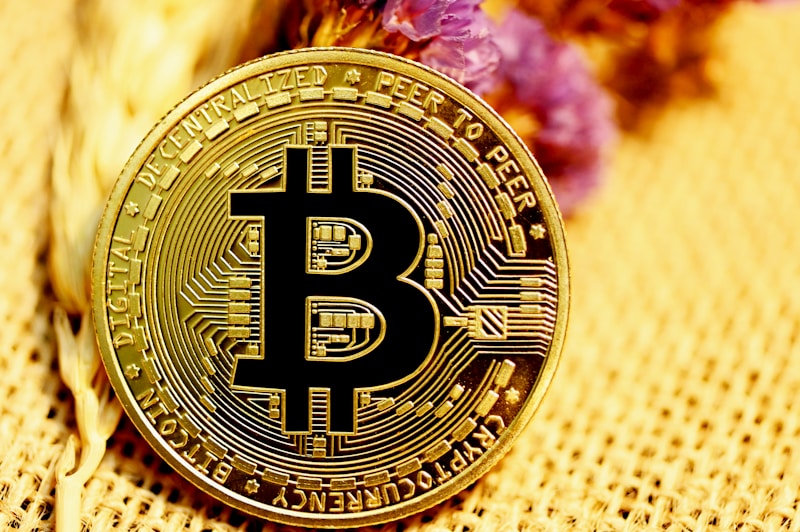
The cryptocurrency market extends far beyond Bitcoin and Ethereum. Thousands of alternative coins, commonly called altcoins, offer unique features, use cases, and investment opportunities. While Bitcoin established the foundation of decentralized currency and Ethereum pioneered smart contracts, these altcoins push the boundaries of blockchain technology in different directions. This comprehensive analysis explores ten altcoins that show significant promise for 2024.
1. Solana (SOL)
Solana has positioned itself as a high-performance blockchain capable of processing thousands of transactions per second while maintaining low costs. Its unique combination of Proof of History and Proof of Stake consensus mechanisms enables remarkable speed without sacrificing decentralization. The ecosystem has attracted numerous DeFi protocols, NFT marketplaces, and gaming applications.
Despite experiencing network outages in the past, Solana's technical improvements and growing developer activity suggest strong potential. The platform's ability to handle complex applications at scale makes it an attractive alternative to Ethereum for projects requiring high throughput. Major partnerships and institutional adoption continue to drive interest in SOL.
2. Cardano (ADA)
Cardano takes a methodical, research-driven approach to blockchain development. Founded by Ethereum co-creator Charles Hoskinson, the platform emphasizes peer-reviewed academic research and formal verification methods. This rigorous approach has resulted in a highly secure and scalable network.
Recent smart contract capabilities have enabled a growing ecosystem of decentralized applications. Cardano's focus on sustainability and real-world use cases, particularly in developing nations for identity and supply chain solutions, differentiates it from purely speculative projects. The ongoing development roadmap includes significant scalability improvements.
3. Polkadot (DOT)
Polkadot addresses blockchain interoperability, allowing different networks to communicate and share information. Its parachain architecture enables multiple specialized blockchains to run in parallel, secured by the main relay chain. This design offers both scalability and flexibility for various use cases.
The platform's auction system for parachain slots has generated significant interest from projects seeking to build on the network. Polkadot's ability to bridge different blockchain ecosystems positions it well for a multi-chain future where no single network dominates.
4. Chainlink (LINK)
Chainlink provides oracle services that connect smart contracts with real-world data. As decentralized applications require information about prices, weather, or events occurring off-chain, Chainlink's secure data feeds become essential infrastructure. The network has established partnerships with numerous traditional companies and blockchain projects.
The expansion of DeFi and Web3 applications increases demand for reliable oracle services. Chainlink's established network effects and continuous development of new features, including verifiable randomness and proof of reserve, strengthen its market position.
5. Avalanche (AVAX)
Avalanche offers a unique consensus mechanism that achieves finality in seconds while supporting thousands of transactions per second. The platform allows anyone to create custom blockchains tailored to specific applications, with subnets providing isolated environments for specialized use cases.
The growing ecosystem includes DeFi protocols, enterprise applications, and gaming platforms. Avalanche's partnerships with traditional finance institutions and focus on regulatory compliance appeal to investors seeking exposure to institutional crypto adoption.
6. Polygon (MATIC)
Polygon builds scaling solutions for Ethereum, addressing the network's congestion and high fees. As a layer 2 solution, it processes transactions off the main Ethereum chain while maintaining security through periodic settlements on the mainnet. This approach offers Ethereum compatibility with significantly lower costs.
Major brands and protocols have chosen Polygon for their Web3 initiatives. The platform's zkEVM development promises even greater scalability while maintaining full compatibility with existing Ethereum applications and tools.
7. Cosmos (ATOM)
Cosmos describes itself as the internet of blockchains, providing tools for creating interoperable, sovereign blockchains. The Inter-Blockchain Communication protocol enables different chains to transfer assets and communicate, addressing the fragmentation of the blockchain ecosystem.
The growing number of chains built using Cosmos SDK and connected through IBC demonstrates the demand for interoperable blockchain solutions. Major projects like Cronos and Terra have used Cosmos technology, validating its approach to blockchain architecture.
8. Near Protocol (NEAR)
Near Protocol focuses on usability and developer experience, offering human-readable account names and simple onboarding processes. The platform's Nightshade sharding technology provides scalability while maintaining a single chain experience for users and developers.
Near's emphasis on user-friendly design addresses one of blockchain's major adoption barriers. The growing ecosystem includes DeFi, NFTs, and Web3 applications that prioritize accessibility for mainstream users.
9. Algorand (ALGO)
Algorand uses a pure proof-of-stake consensus mechanism designed by MIT professor Silvio Micali. The platform achieves security, scalability, and decentralization without compromising any of these properties. Its immediate transaction finality and low costs appeal to financial applications.
Government and institutional adoption, including partnerships for central bank digital currencies and blockchain infrastructure, demonstrate Algorand's enterprise appeal. The focus on regulatory compliance positions it well for institutional adoption.
10. Internet Computer (ICP)
The Internet Computer aims to extend blockchain functionality beyond smart contracts to host entire software systems. By running code at web speed with web-scale storage, it seeks to replace traditional IT with decentralized alternatives hosted entirely on-chain.
Ambitious in scope, the project has demonstrated capability to host complex applications including social media platforms and enterprise systems. While controversial due to its tokenomics and centralization concerns, the technological achievements warrant attention.
Investment Considerations
Investing in altcoins carries significant risks. Market volatility, regulatory uncertainty, technical vulnerabilities, and competition from newer projects all pose challenges. Thorough research into a project's fundamentals, team, adoption metrics, and competitive positioning is essential before making any investment decisions.
Diversification across different types of projects and careful position sizing can help manage risk. Remember that past performance does not guarantee future results, and the cryptocurrency market remains highly speculative. Never invest more than you can afford to lose.